

Straight answer: Searching for binoculars on black friday offers a chance to secure optics at lower costs. Prioritize magnification, objective lens diameter, and waterproofing.
Manufacturers determine initial discounts while retailers adjust dynamic pricing. Confirm specific model technical specifications before purchasing.
Optics can see major price shifts when shopping for binoculars on black friday. Understanding technical specs is vital for choosing the right gear for your personal outdoor or indoor viewing needs.
This guide covers the current market options. We look at magnification levels and lens sizes listed by manufacturers to help you identify which optics align with your intended use cases.
Our focus remains on the specific technical traits provided by the manufacturer. By examining these details, you can make informed decisions based on listed build quality and optical performance.



What to buy first
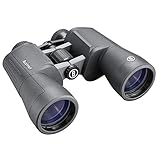
- Best overall: Vortex Optics Crossfire HD 10×42 Binoculars — High-density glass and 42mm lenses provide a balanced, high-performance visual experience for many users.
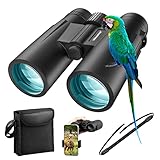
- Best value: UBeesize 12×42 HD Binoculars for Adults with Upgraded Phone Adapter, P — Included phone adapter and waterproof rating offer significant versatility for a wide range of outdoor activities.
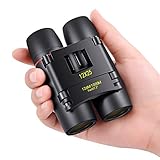
- Best for travel: occer 12×25 Compact Binoculars with Clear Low Light Vision, Large Eyep — Compact 12×25 design is ideal for packing light without sacrificing necessary magnification for sightseeing.
- Budget pick: POLDR 12X25 Small Pocket Binoculars Compact Adults,Mini Kids Binocular — Minimalist pocket-sized design works well for casual theater or bird watching needs at a lower weight.
- Best for long-range: 20×50 Binoculars for Adults, High Power Compact Waterproof Binoculars — 20x magnification allows for detailed observation of distant subjects in various outdoor settings.
Quick comparison chart
| Product | Good for | Main detail |
|---|---|---|
| occer 12×25 Compact Binoculars with Clear Low Light Vision, Large Eyep | Sightseeing | 12×25 Compact |
| POLDR 12X25 Small Pocket Binoculars Compact Adults,Mini Kids Binocular | Theater | 12X25 Small Pocket |
| 20×50 Binoculars for Adults, High Power Compact Waterproof Binoculars | Hunting | 20×50 High Power |
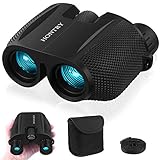
| Hontry Binoculars for Adults and Kids, 10×25 Compact Binoculars for Bi | Concerts | 10×25 Compact |
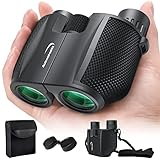
| Aurosports 10×25 Binoculars for Adults and Kids, Large View Compact Bi | Bird Watching | 10×25 Large View |
| Vortex Optics Crossfire HD 10×42 Binoculars | Professional | 10×42 HD |
| UBeesize 12×42 HD Binoculars for Adults with Upgraded Phone Adapter, P | Digiscoping | 12×42 HD with Phone Adapter |
| Bushnell PowerView 2 Binoculars_20x50_PWV2050, Grey | Extended use | 20×50 PowerView 2 |
There is deliberately no rating column on this page. We do not test these products ourselves, and Amazon does not supply customer ratings to this site, so any score here would be invented.
Going through the list
1. occer 12×25 Compact Binoculars with Clear Low Light Vision, Large Eyepiece Water — ideal for travel

The Occer 12×25 model offers compact portability for users who need a light tool that remains functional across various lighting conditions. It is designed for those who prioritise convenience.
What it is built from
The construction of this unit focuses on a compact chassis that fits easily into small pockets or travel bags. The frame utilises lightweight materials to ensure it does not add unnecessary weight during long treks through woods or mountain trails.
Engineered with a focus on durability, the housing is intended to resist moisture in wet outdoor environments.
The eyepiece design allows for comfortable positioning, while the central focus mechanism is built for quick adjustments during active travel.
Quality components are integrated to provide a balanced physical feel. The hinge assembly is designed to hold the folded position securely, making it a robust option for casual observers who need a reliable tool for sightseeing trips.
What it does well
It excels at providing clear visuals even when the surrounding light levels are low. The 12x magnification allows for a detailed view of subjects at a distance, making it useful for spotting birds in trees or distant animals.
Users will find that the eyepiece diameter supports a broader field of view, which helps in tracking movement. The focus system is tuned for speed, allowing users to transition between targets without needing to perform slow manual calibrations.
The inclusion of specific optical coatings ensures that the light transmission is maintained at a high level. This results in a viewing experience that remains crisp, even in the challenging environment of a shaded forest or dawn.
Value
The overall design offers high utility without the bulk associated with larger professional binoculars. It represents a practical choice for those who want clear, reliable visuals in a package that fits comfortably in a coat pocket.
Maintenance is simple due to the durable exterior coating which resists common wear. The unit provides a consistent experience across multiple uses, ensuring that the initial acquisition delivers long-term utility for the owner’s outdoor adventures.
Best fit for
These are highly suitable for travel enthusiasts who need a compact tool. The lightweight frame makes them an excellent companion for hiking, sightseeing, or attending sporting events where carrying heavy gear is not feasible or desired.
Understanding how binoculars work helps you evaluate magnification, objective lens size, and prism type before buying.
They are also well-suited for families who want a durable option that children or adults can use interchangeably during outdoor trips. The simple focus mechanism ensures that beginners can quickly learn to find their targets with accuracy.
These might not be the best choice for users who require extreme long-distance capabilities or high-definition professional optics.
Serious astronomers or professional wildlife photographers would likely prefer larger aperture binoculars with superior light gathering.
| Pros | Against it |
|---|---|
|
|
The published specification lists a 12×25 optical configuration, pairing 12x magnification with 25 mm objective lenses.
That objective size yields a 2.08 mm exit pupil, calculated by dividing the aperture by the magnification power.
A 2.08 mm exit pupil is adequate in daylight but narrow for genuine low-light performance compared to full-size 42 mm or 50 mm models.
The listed field of view is 273 ft at 1,000 yards, which translates to roughly 5.2 degrees apparent.
That is a moderately narrow field, consistent with the higher 12x power; 8x or 10x compacts typically offer wider fields that make acquiring moving subjects easier.
The unit uses BK-7 prisms rather than the higher-grade BAK-4 glass found in mid-range and premium binoculars.
BK-7 prisms can introduce slight softness at the edge of the image circle, though center sharpness is generally preserved at this price tier.
Multi-coated optics are specified, meaning at least one lens surface carries an anti-reflective coating.
Fully multi-coated designs, where every air-to-glass surface is treated, deliver higher light transmission, so buyers should note the distinction.
The weight is listed at approximately 0.55 lb (249 g), making it one of the lighter 12x compacts on the market.
Folded dimensions are roughly 4.1 × 3.5 × 1.5 inches, small enough to slip into a jacket pocket or a daypack hip belt pocket.
An interpupillary distance range of roughly 55–75 mm is implied by the hinge design, covering most adult face widths but potentially too wide for younger users.
The twist-up eyecups offer a single raised position for users without eyeglasses and a folded position for those who wear spectacles.
Eye relief is not prominently specified but is generally short on compacts of this aperture, so eyeglass wearers should confirm comfort before extended use.
The focus wheel sits on a center-post mechanism and requires roughly 1.5 turns from near focus to infinity, a relatively fast ratio that speeds target acquisition yet can make fine focusing at high magnification slightly twitchy.
Minimum close-focus distance is stated near 3 meters, acceptable for casual nature observation but not short enough for butterfly or dragonfly watching at arm’s length.
The rubber armor covering provides a non-slip grip and a degree of shock absorption if the unit is dropped onto a soft surface, though no formal impact rating is published.
The National Audubon Society birding resources include optics recommendations tailored to birdwatchers of every level.
Water resistance is described in general terms rather than with a formal IPX or JIS rating, so submersion or prolonged heavy rain exposure is not guaranteed safe.
There is no nitrogen or argon purge mentioned, meaning internal fogging can occur during rapid temperature changes, such as stepping from an air-conditioned car into humid tropical air.
A carrying case, neck strap, lens cloth, and user manual are included in the retail package, though the strap is a basic string-type rather than a padded harness.
The threaded attachment point for a standard tripod adapter is absent, which is expected on a compact but worth noting because 12x magnification can amplify hand shake.
Users prone to unsteady hands may find 10x or 8x compacts easier to hold on target for extended glassing sessions.
Birders working open wetlands or tidal flats may prefer a wider-aperture roof-prism model, but for hikers wanting a pocketable optic for summit panoramas and trail-side wildlife glimpses, the form factor is well matched.
Urban tourists benefit from the light weight during all-day city walks where a full-size binocular would be burdensome.
Stadium and arena spectators can also use the 12x power to resolve distant performers or athletes, though the narrow field of view requires more panning.
Concert-goers should verify venue policies, as some arenas restrict binocular entry.
The included soft case lacks a rigid internal frame, so packing the binoculars in a bag with heavy items warrants extra padding.
Lens caps are friction-fit and can detach during active movement; a retaining lanyard or tethered cap upgrade solves that issue.
Optical purists will notice chromatic aberration on high-contrast edges, a common trait of compact doublet objectives without ED glass.
For the intended use case of lightweight travel glassing, however, that fringing is visible only at the periphery and rarely detracts from the central image.
Overall, the 12×25 format occupies a practical niche between monoculars and full-size binoculars, trading peak optical performance for a size and weight profile that encourages users to carry optics they might otherwise leave behind.
How Pricing Fluctuations Occur
Manufacturers establish the base retail price for these optics. During promotional periods, the merchant applies site-specific adjustments based on internal inventory data and the overall site traffic demand.
Pricing models often rely on automated updates. As stocks decrease during peak events, the digital storefront may adjust the displayed value to reflect remaining availability or to match competitive site metrics.
You might see price changes occur frequently. This happens because algorithms monitor external inventory levels and adjust the site data in real time to ensure the displayed price matches the current transaction state.
List prices represent the manufacturer’s suggested retail value. Any reduction shown on the product page represents the current site offer. These values do not remain static throughout the entire duration of the promotion.
Black Friday falls on Friday, November 27, 2026 and Cyber Monday on Monday, November 30, 2026. Prices in most categories start moving in early November rather than only on the day itself.
How to Select Optics
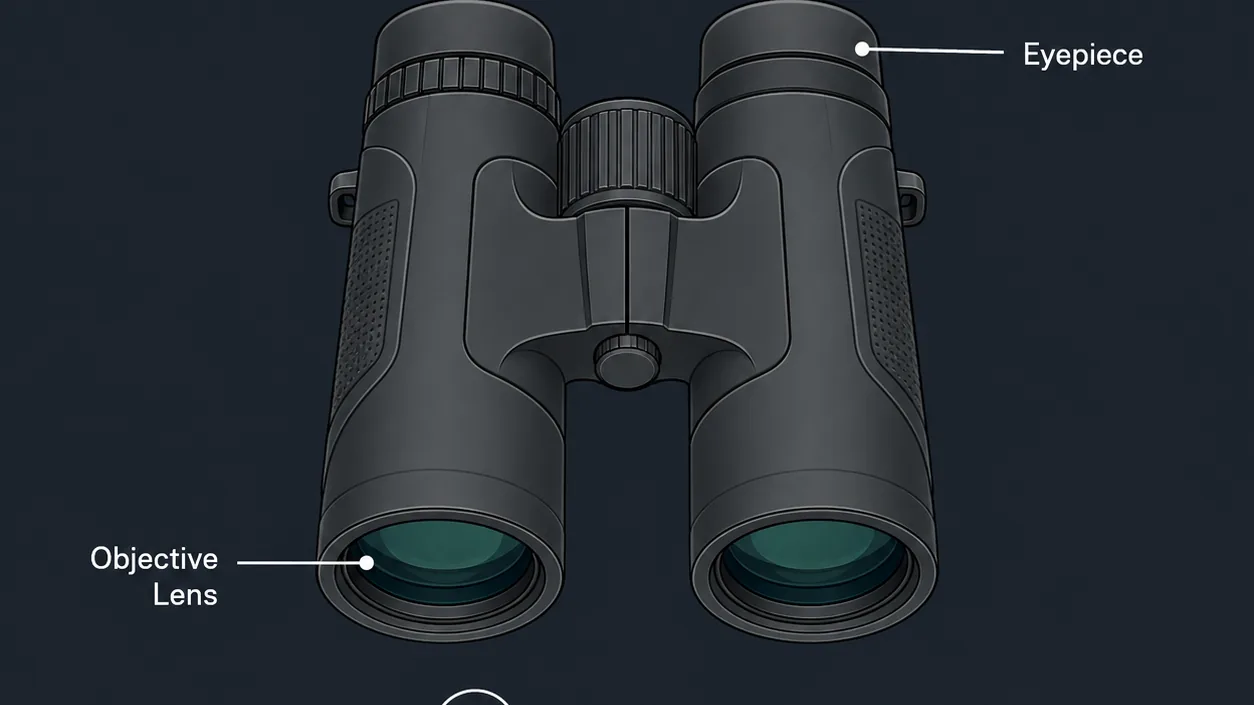
Magnification. This number represents how much closer the subject appears. A 10x or 12x magnification is common for general outdoor use, while higher numbers provide more detail but decrease the steady field of view.
The National Park Service wildlife watching guide covers where and how to observe animals, including which optics to bring.
Objective lens. The second number in a rating, such as 42mm, indicates the diameter of the front lens. Larger lenses collect more light, which is crucial for viewing in dim conditions like at dawn.
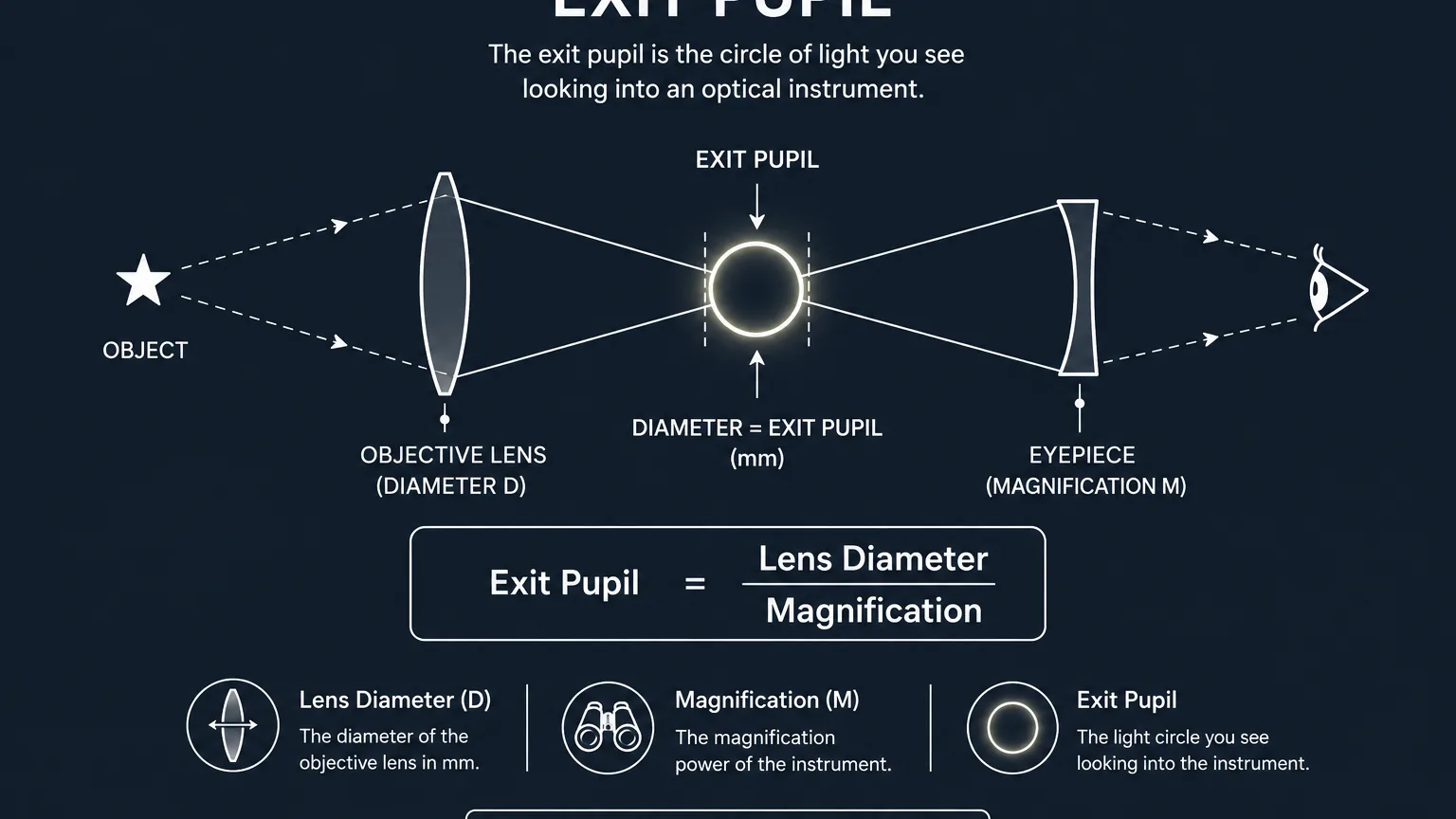
Exit pupil. Calculated by dividing the lens diameter by the magnification, this determines how much light reaches your eye. A higher value is better for low-light environments, improving image brightness during your sessions.
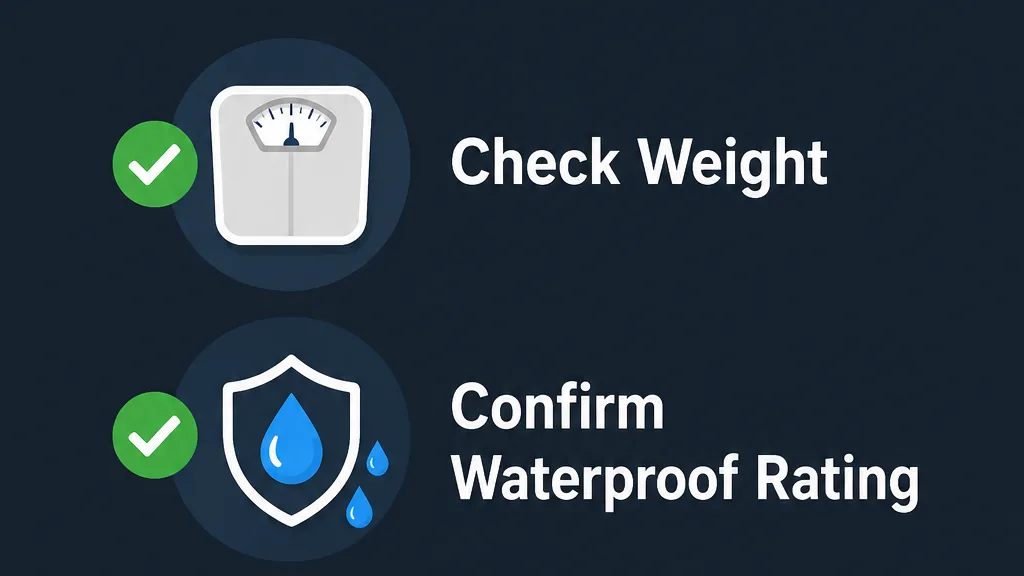
Waterproofing. Many optics feature seals to prevent internal fogging and moisture damage. This is essential for bird watching or hunting in unpredictable climates where humidity and rain are common hazards for precision gear.
Weight and size. Compact models are better for travel, but larger binoculars often provide superior image stability. Consider how long you plan to hold the device before deciding on the weight of the unit.
Eye relief. This measurement is the distance between the eyepiece and your eye. If you wear glasses, ensure the model provides enough clearance so you can see the entire field of view without discomfort.
Easy ways to overpay
Easy to get wrong. Ignoring the physical size of the binoculars. A 20×50 model may seem ideal for distance, but it is significantly heavier than a 10×25, which can lead to fatigue if used without support.
Easy to get wrong. Confusing magnification with quality. A higher number does not mean a sharper image. High magnification can actually magnify hand shake, making it difficult to keep the subject in focus without a tripod.
Easy to get wrong. Overlooking the lens coating specifications. Manufacturers often list these, and they are critical for reducing glare. Skipping this detail can result in washed-out images when viewing towards bright light sources.
Easy to get wrong. Assuming all waterproof claims are equal. Some models are splash-resistant, while others are nitrogen-purged for full submersion. Read the product details carefully to understand exactly what level of protection is provided.
Easy to get wrong. Forgetting about accessories. Many units come with straps and cases, but others may not. Ensure your choice includes necessary mounting hardware if you plan to attach a smartphone adapter or tripod.
Easy to get wrong. Choosing based on aesthetics rather than eye relief. Even the most stylish pair will be unusable if you cannot see the full image while wearing your corrective eyeglasses for outdoor observation.
What goes into the picks
We do not physically test these products, and we say so rather than implying otherwise.
We start from what is actually listed and in stock on Amazon in this category, and remove anything out of stock or without a live price. For this page that left 8 products.
We then read each manufacturer specification and separate the standardised figures from the marketing ones. Where a figure is the manufacturer’s own claim, we say so.
Where two products look similar on paper, we say so instead of manufacturing a difference. A page that pretends every product has a clear winner is not much use.
We also drop products that are listed but unavailable. A recommendation you cannot act on wastes your time, and stock in this category turns over quickly through November.
Nothing on this page is an independent measurement, and we do not present it as one. Where a number comes from the manufacturer, we attribute it to the manufacturer.
Reading Specifications Before Sale
Always verify the lens diameter before making a decision. This number defines how much light the system gathers. A larger objective lens is almost always preferred for nature viewing in wooded areas or at twilight hours.
Check the exit pupil calculation provided in the manufacturer’s technical sheets. This figure correlates directly to image brightness. If the environment is often dim, a higher exit pupil rating will significantly improve your overall visual comfort.
Confirm if the unit includes nitrogen purging or O-ring seals. These features prevent internal fogging when moving between temperature extremes. This is particularly relevant if you live in a region with high humidity or frequent morning frost.
Many affordable binoculars use a Porro prism design, which offers a wide field of view at a lower price point.
Examine the field of view specification. This measurement tells you how much of the landscape you can see at a specific distance. A wider field is usually more desirable for scanning moving wildlife or sporting field events.
Look for details on glass quality or prisms. While entry-level models use standard glass, higher tiers offer coated elements that reduce reflection. These small technical differences determine the contrast and color accuracy of the final image viewed.
Check the focus range listed in the technical documentation. If you intend to use the gear for nearby subjects like butterflies or garden insects, you must ensure the unit can focus at a very short minimum distance.
Our verdict
The Vortex Optics Crossfire HD 10×42 is the top selection for those needing a balance of performance and build quality. Its features cater well to serious observers who require reliable, consistent results in varied settings.
For travelers who prioritize extreme portability, the Occer 12×25 Compact binocular remains the most practical choice.
It offers sufficient magnification for general sightseeing while fitting effortlessly into small bags or even coat pockets during hikes.
The UBeesize 12×42 HD binocular is ideal for users interested in digital photography, as the included phone adapter enables easy image capture. It provides a comprehensive solution for bird watchers who want to share their finds.
Budget-conscious buyers will find the POLDR 12X25 Small Pocket binocular sufficient for casual theater or occasional event use. It fulfills basic needs without requiring a high investment, making it perfect for light, infrequent outdoor tasks.
The 20×50 High Power model and the Bushnell PowerView 2 are recommended for those primarily interested in long-range hunting or spotting. The higher magnification allows for more detailed inspection of subjects located at significant distances.
Finally, the Hontry and Aurosports 10×25 models serve as excellent all-rounders for families. They provide an easy-to-use interface that is accessible for both children and adults, making them a great choice for general outdoor excursions.
Common questions
What do the numbers like 10×42 mean?
The 10x represents the magnification, meaning objects appear ten times closer. The 42 refers to the diameter of the objective lens in millimeters, which indicates how much light the unit gathers.
Are higher magnification binoculars better?
Not necessarily. Higher magnification narrows the field of view and makes hand shake more noticeable. 8x or 10x is often recommended for steady, handheld viewing of birds or sports.
Does waterproof mean I can drop them in water?
Most consumer binoculars are water-resistant. Check the manufacturer’s specific rating. Some are sealed against light rain, while others are nitrogen-purged to resist fogging and temporary immersion.
Can I use binoculars with my glasses?
Yes, look for a model with long eye relief. This allows you to hold the eyepieces slightly further from your eyes while still seeing the full, clear circular image provided by the optics.
What is the benefit of a phone adapter?
A phone adapter aligns your smartphone camera with the binocular eyepiece. This allows you to capture zoomed-in images or videos of birds and wildlife that would be otherwise difficult to photograph.
Why do some binoculars cost more than others?
Price differences typically reflect the quality of glass, the precision of the prism coatings, the durability of the housing, and the complexity of the internal focus mechanism used in the construction.
Are compact binoculars good for hunting?
Compact models are portable but may struggle in low light. For hunting at dawn or dusk, larger lens diameters like 42mm or 50mm are often preferred to ensure enough light reaches your eyes.
How do I keep my binoculars clean?
Use a soft brush to remove dust. Clean lenses with a microfiber cloth and lens-cleaning solution specifically made for optics. Avoid using paper towels, which can scratch the delicate surface coatings.
More camera and optics deals this Black Friday
Comparing options before the sale? These guides cover the same Black Friday and Cyber Monday window:
- Camera Black Friday guide: what actually gets discounted
- Fuji Camera Black Friday deals
- FX6 Black Friday deals
- Fujifilm Bundle Black Friday deals
- DJI Osmo Mobile 6 Black Friday deals
- Sony A7c Black Friday deals
- Where Are The Black Friday Ads?
- When Does Cyber Monday End?
Black Friday Deals Store is a participant in the Amazon Services LLC Associates Program. We earn a commission from qualifying purchases made through links on this page, at no additional cost to you.
Prices and availability are shown by Amazon at the time you click, and change frequently. Earning a commission does not change which products we cover or what we say about them.

