
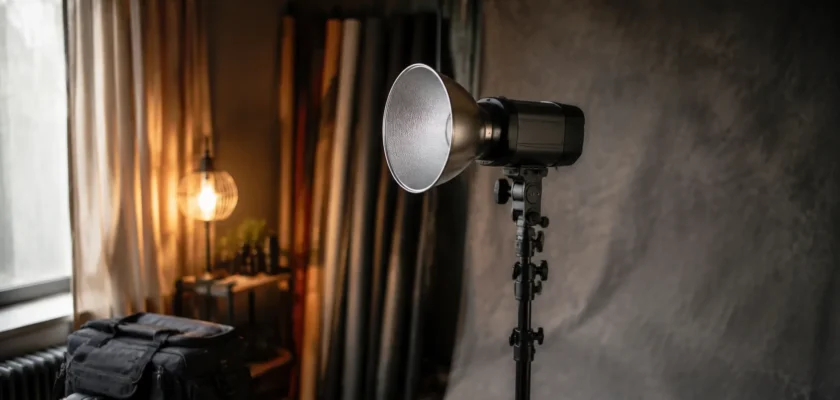
In short: For profoto black friday, watch the core flash heads first, then add light shapers and triggers.
Discounts in this class often vary by model and stock, so match the tool to your camera, mount and shooting style before chasing a deal.
profoto black friday deals tend to centre on flash heads, camera triggers and light shapers rather than broad bundles.
This range spans off-camera flash, on-camera flash, wireless control and compact modifiers. The right pick depends on where the light sits and how you shape it.
Read the title closely before buying. In this list, terms such as Canon, off-camera, octa and strip mask tell you more than a vague sale badge ever will.


The short list
- Best overall: Profoto B10X Plus Off-Camera Flash and Continuous Light — Combines off-camera flash and continuous light in one unit.
- Best value: Profoto Connect Pro for Canon — Adds direct control for Canon users without a full light swap.
- Best for travel kits: Profoto A2 Monolight — Monolight format suits compact off-camera setups.
- Best for event shooters: Profoto A10 On-Camera Flash Light for Canon — On-camera flash for Canon fits fast moving work.
- Best for softer light: Profoto Clic Softbox Octa — Octa softbox is a clear shaping upgrade for portraits.
Side by side
| The pick | Suited to | Standout spec |
|---|---|---|
| Profoto B10X Plus Off-Camera Flash and Continuous Light | Hybrid stills and video setups | Off-Camera Flash and Continuous Light |
| Profoto A2 Monolight | Compact off-camera lighting | A2 Monolight |
| Profoto A10 On-Camera Flash Light for Canon | Canon on-camera flash use | On-Camera Flash Light for Canon |
| Profoto Clic Dome | Quick soft spread changes | Clic Dome |
| Profoto 1×4′ OCF Softbox, Includes Strip Mask | Long narrow soft lighting | 1×4′ OCF Softbox, Includes Strip Mask |
| Profoto Connect Pro for Canon | Remote Canon light control | Connect Pro for Canon |
| Profoto Clic Softbox Octa | Portable octa softness | Clic Softbox Octa |
| Profoto A1 Soft Bounce | Gentler direct flash bounce | A1 Soft Bounce |
| Profoto Clic Color Effects Gel Kit | Creative colour accents | Clic Color Effects Gel Kit |
There is deliberately no rating column on this page. We do not test these products ourselves, and Amazon does not supply customer ratings to this site, so any score here would be invented.
Every pick in depth
1. Profoto B10X Plus Off-Camera Flash and Continuous Light — best all-round lead light

The title makes the role clear: this is an off-camera flash with a continuous light mode. On paper, that split makes it the broadest tool here for users who want one main light to cover more than one kind of set.
What it is built from
This unit is framed as a light head that works away from the camera, not on the hot shoe. The listing states flash and continuous light in one body, so the design aim is clear: one lamp, two roles, less kit to swap.
Off-camera use usually means a shape made to sit on a stand or support rather than stay on the camera all day. In title terms, that points to a self-contained light built for placement, angle changes and room to add modifiers later.
The combined naming suggests a more complex housing than a simple trigger or dome. A product that merges flash with continuous light is built around dual use, so the construction case is flexibility first, not the smallest form in this list.
What it handles best
The title supports a mixed workflow. Flash suits stills where brief bursts matter, while continuous light helps with preview, simple video clips or judging shape by eye before a frame is made in a more formal setup.
Because it sits off camera, this model can move the light away from lens axis. On paper, that is the key gain over an on-camera unit: more control of shadow depth, edge shape and the look of a face or object.
It also works as a hub for a small system. A main light of this type can take softening or shaping tools around it, so buyers who plan to grow a kit may find the title points to a more expandable starting place.
Value
Value here comes from role count, not from a low entry point. If one unit can act as your key flash and also supply a continuous source, it may replace the need to buy two separate first pieces.
It makes less sense if your work is fixed to on-camera event flash or if you only need a trigger. Buyers get the most from it when they will use both modes and the off-camera format on a regular basis.
Who should buy it
This suits photographers who build light from a stand, not from the camera top. Portrait, product and small set users are the natural match, because placement freedom matters more there than the smallest carry size.
It is less apt for those who only need a simple modifier or a colour kit. If the task is minor shaping on an existing light, this product is the wrong tier and the title already tells you that.
Hybrid creators who move between stills and motion may like the broader brief. Buyers who want a single named tool to cover both flash and continuous work will see the strongest logic in this model.
| What works | Downsides |
|---|---|
|
|
2. Profoto A2 Monolight — best compact off-camera option

The key term here is monolight. That points to a self-contained light meant to work off camera, making the A2 a simpler route into the Profoto system than a larger mixed-role head or a camera-top flash.
What it is built from
A monolight is defined by its all-in-one body concept, and the title gives no extra parts beyond that core identity. On paper, the construction brief is compact independence: one light unit, placed off camera, ready to form a small setup.
Compared with a trigger, dome or gel set, this is a primary light source rather than an add-on. The listing title suggests a focused tool built to emit the light itself, not merely shape or command another unit.
The short name also hints at a streamlined place in the range. There is no camera brand tag and no softbox shape in the title, so the build story is clean: a monolight body for users who want direct off-camera lighting.
What it handles best
This type suits users who want a proper light off the camera without the broader brief of a dual flash and continuous unit. On paper, it keeps attention on still-lighting tasks where placement and control matter most.
A monolight works well as a first stand-mounted source in a small portrait or object kit. The title supports that role because it names a complete light, not an adapter, trigger or modifier that depends on another purchase.
It also fits buyers who want to separate light position from camera position. That single shift changes how shadows fall, how shape is seen and how controlled the scene can look, even before any extra modifier is added.
Value
Its value case is clarity. You buy a light to make light, not a hybrid body with a wider remit or a smaller accessory with a narrower one, so the spend aligns closely with off-camera still work.
It is weaker value if you also need continuous light or if all your shooting stays on camera. In those cases, another title in this list points more directly to the real job at hand.
Who should buy it
The A2 suits photographers building a neat off-camera kit with minimal complication. If your main need is a stand-mounted light for portraits, tabletop work or controlled interiors, the title lines up well with that path.
It does not fit buyers looking for on-camera event flash for Canon bodies, because that role is named elsewhere. Nor is it the right item if you only need colour, bounce or a softening add-on.
For system-minded users, it can act as a core light with room to add shaping tools later. That makes sense when you want a clean starting point and will decide on modifiers after you learn your preferred look.
| What works | Downsides |
|---|---|
|
|
3. Profoto A10 On-Camera Flash Light for Canon — best for Canon event work

This is the most direct camera-top option in the set. The title states on-camera flash and Canon, so the buying case is simple: it is for shooters who want a flash on the camera rather than a light placed away from it.
What it is built from
The build brief is explicit in the name. This flash is made to sit on the camera, and the Canon tag means mount fit is part of the purchase decision from the start, not an afterthought after a sale click.
As an on-camera unit, it is framed for direct attachment and quick use. That differs from monolights and off-camera heads, which are placed in space; this one stays with the camera and moves as the camera moves.
Nothing in the title suggests a modifier or a controller. This is the light source itself, built around the camera-top role, which usually favours speed of setup and a neat carry profile over stand-based lighting freedom.
What it handles best
An on-camera flash suits live work, events and any scene where the photographer moves fast. On paper, keeping the light attached to the camera reduces setup steps and keeps the kit ready as the angle changes.
The Canon-specific naming supports buyers who want a cleaner match with their camera system. If you already know your body mount, the title reduces guesswork and makes this a more direct purchase than a universal accessory.
It also pairs neatly with simple light-softening add-ons in the same range. A buyer can start with the flash itself, then add bounce or compact shaping later without changing the core camera-top workflow.
Value
Value is strongest for photographers who often work with a flash mounted on the camera. In that use, you are paying for the exact format you need rather than stepping into a larger off-camera light and support kit.
It is weaker if your goal is sculpted studio-style placement. Once the light must leave the camera to create more deliberate shadow shape, an off-camera title elsewhere in this list becomes the better use case.
Who should buy it
Canon users who shoot receptions, press, parties or quick portraits are the obvious fit. The title names both the mounting style and the camera family, which makes the intended buyer easier to identify than most items here.
It is not for buyers on other camera mounts, and it is not the right pick if you need a trigger only. It also does less for users who want a long strip source or a coloured effect kit.
For a compact working bag, though, it makes sense. A camera-top flash keeps the light with the camera, which helps in cramped rooms or tight schedules where stand placement is not practical.
| What works | Downsides |
|---|---|
|
|
4. Profoto Clic Dome — best quick softening add-on

The Clic Dome is a shaping accessory, not a light source. That matters during sale shopping, because a dome can change the look of light you already own, but it cannot replace a flash or monolight on its own.
What it is built from
The title points to a compact attachment built around the Clic system. A dome is a shape tool, so its construction role is to sit on a compatible light and alter spread, not generate any light by itself.
Because it is not tied to a camera brand in the name, the main compatibility question is system fit rather than mount fit. Buyers should read the listing closely to confirm what the dome is meant to attach to.
A dome also implies a small form compared with full softboxes. On paper, that places it in the fast-change accessory camp: lighter, simpler and easier to pack than larger fabric modifiers aimed at stand-based setups.
What it handles best
A dome is useful when you want a gentler look than a bare flash gives but do not want to carry a larger modifier. The title supports quick softening and spread control in a more compact format.
It can also suit shooters who work on the move. In mobile settings, a small clip-on or click-on shaping part is easier to add and remove than a larger softbox, especially when pace matters more than maximum size.
As an add-on, it extends the value of an existing light. Buyers who already have a compatible source may get a visible change in character from a modest accessory rather than buying an entirely new head first.
Value
The value case rests on leverage. A compact modifier can alter the output of a light you already own, which is often a more targeted upgrade than replacing the main flash when you like the core unit.
It is poor value for first-time buyers with no compatible light in hand. Since the title names no lamp or trigger function, this should be seen as a system add-on, not a stand-alone entry purchase.
Who should buy it
This suits users who already own a matching light and want a softer, broader feel without much bulk. Event shooters, home portrait users and compact kit fans are more likely to benefit than studio-only users.
It does not suit a buyer who still needs the actual flash unit. Nor will it replace a long strip or octa shape when the brief calls for a more specific modifier geometry than a small dome can provide.
For sale season baskets, it is a sensible second or third item. Once the main light is chosen, a dome can be the practical upgrade that changes the look without remaking the whole setup.
| What works | Downsides |
|---|---|
|
|
5. Profoto 1×4′ OCF Softbox, Includes Strip Mask — best for narrow soft light

This title is one of the most descriptive in the list. A 1×4′ OCF softbox with a strip mask is a clear shaping tool for long, narrow soft light rather than a general flash or a small camera-top accessory.
What it is built from
The listed dimensions and strip mask make the construction purpose plain. This is a fabric light shaper with a long rectangle form, designed to shape beam width and softness more precisely than a dome or bounce piece.
OCF in the title marks it as part of an off-camera workflow. That means the softbox belongs around a separate light source, so the build logic is modular: one light emits, this accessory controls and narrows the result.
Including the strip mask matters because it signals a more directed output option in the box. On paper, that gives the buyer a shaped lighting route without hunting for an extra part to make the form more selective.
What it handles best
A long strip shape suits edge light, full-length portrait accents and product scenes where a narrow reflection is useful. The title alone supports that role better than a round octa or a broad dome would.
The included strip mask suggests more control over where light falls. That is useful when you want cleaner separation or a slimmer highlight rather than a wash that spreads too far across the set.
It also helps build a more repeatable off-camera setup. A named size and fixed shape make it easier to predict the sort of light you are buying than with generic softening accessories that reveal less in the title.
Value
Value comes from specificity. Buyers who know they want strip-shaped softness gain a tool aimed at that look, and the included mask reduces the need to source a shaping extra straight away.
It is less compelling as a first modifier if you have no idea what shape you prefer. In that case, a more general dome or octa may be easier to live with before moving to a specialised rectangle.
Who should buy it
This softbox suits portrait and product users who care about direction as much as softness. Anyone trying to create slim highlights, rim light or tidy side light will understand the point of this geometry quickly.
It does not suit buyers seeking a one-piece flash solution, and it is not for those who need camera-specific control. It also asks for more setup than a tiny bounce or dome attachment would.
For a planned set, though, it makes strong sense. The shape, the size callout and the included strip mask all point to deliberate lighting rather than casual on-camera correction.
| What works | Downsides |
|---|---|
|
|
6. Profoto Connect Pro for Canon — best control upgrade for Canon

The Connect Pro for Canon is about control, not illumination. That distinction matters, because a trigger can improve how you run lights you already own, yet it will not replace a flash head or on-camera flash unit.
What it is built from
The title frames a dedicated controller for Canon users. As a Connect Pro model, its body role is to sit with the camera system and communicate with lights, making it a command device rather than a source or modifier.
A trigger is usually one of the smaller pieces in a lighting kit, and the name fits that idea. It exists to change settings and fire lights at a distance, not to spread, soften or colour the beam directly.
Because Canon is named in the title, camera fit is central to the build choice. Buyers should treat that as the first filter, ahead of sale price moves, because the wrong mount erases the value of any discount.
What it handles best
This product does well when your lighting is already off camera and you need cleaner control from the camera position. On paper, it supports a more efficient workflow than walking to each light between frames.
A dedicated trigger also helps keep a kit modular. You can choose a light for output and a controller for operation, instead of relying on one on-camera flash to do every job in a compromise way.
For Canon users, the explicit fit in the title reduces uncertainty. That makes this a practical system piece for buyers who already know the rest of their lighting path and want the control side to match it.
Value
The value lies in unlocking the lights you already have. If a controller saves setup time and makes remote use more workable, it can be a meaningful upgrade without adding another lamp to the bag.
It is poor value for a buyer with no compatible lights yet. Since the title names no flash output, this should only be bought as part of a wider system, not as a substitute for the light itself.
Who should buy it
This suits Canon photographers running off-camera lights who want a more ordered workflow. Studio, portrait and location users benefit most when moving to each head by hand has become the main friction point.
It does not suit photographers who need their first flash, and it is useless if your camera fit is not Canon. Buyers seeking a modifier should also look elsewhere because this changes control, not beam shape.
As a sale purchase, it is often a rational add-on. Once the main lights are chosen, a trigger can be the item that makes the whole setup quicker and less awkward to use in practice.
| What works | Downsides |
|---|---|
|
|
7. Profoto Clic Softbox Octa — best portable octa shaper

The Clic Softbox Octa sits between tiny snap-on modifiers and larger rectangular softboxes. The title points to a softening tool with an octa shape, which usually appeals to portrait users who want a broader, gentler source.
What it is built from
Softbox and octa are the key build clues here. This is a shaped modifier made to diffuse and spread light in a more rounded pattern than a strip design, while the Clic name suggests a quick-attach system.
As an accessory, it depends on a separate light source. That means the construction case is not power or camera fit but shape, portability and ease of adding soft light to an existing compatible unit.
Compared with the 1×4′ strip option, this title points to a less directional geometry. The build choice is about broad, even softness rather than a long narrow beam, so buyers should think in terms of look first.
What it handles best
An octa shape generally supports flattering soft light for portraits and close subjects. On paper, that makes it one of the more approachable modifiers here for users who want a classic softened look.
It also suits buyers who prefer a modifier more substantial than a dome but less specialised than a strip. The title suggests a middle ground: shape and softness with a compact system-oriented attachment style.
Because it belongs to the Clic line, it may be attractive for quick setup habits. A modifier that is easy to add can get used more often than one that feels too involved for short sessions.
Value
Value is strongest when you already know you like soft, broad light but do not need a large stand-alone studio modifier. In that space, an octa add-on can change results more than another small accessory.
It is weaker for buyers who need direct camera-specific control or the light source itself. As with any modifier, the worth appears only when there is a compatible lamp ready to use it.
Who should buy it
Portrait users, content makers and home setup photographers are the main fit. The title points to a forgiving, soft shape rather than a technical beam-control tool, which tends to be easier for newer lighting users.
It is not the right choice if your need is a trigger for Canon, a flash for the camera top or colour effects. It also offers a different look from the long strip shape named elsewhere.
For a growing Profoto kit, it feels like a sensible look-changing add-on. A softbox octa broadens what an existing light can do without asking the buyer to change the whole lighting approach.
| What works | Downsides |
|---|---|
|
|
8. Profoto A1 Soft Bounce — best simple bounce softener

The A1 Soft Bounce is a focused accessory for changing direct flash character. The title does not promise a new light or wider system control; it promises a softer bounce-style effect for a matching A1 setup.
What it is built from
Soft Bounce describes a compact modifier designed to alter the beam from a flash rather than create light itself. The A1 naming in the title means compatibility is the first build question to settle before purchase.
This is a much smaller proposition than a softbox. Its construction purpose is speed and simplicity: add a softening part to an existing flash, change the look, then keep moving without the bulk of stand-based gear.
Because the title is so specific, the product feels tightly scoped by design. That is not a flaw; it means the build is aimed at one practical job instead of trying to cover every style of lighting.
What it handles best
It does well for photographers who find bare direct flash too hard but do not want a large modifier. On paper, soft bounce implies a gentler result in a compact form that suits active shooting.
The A1-specific label also helps buyers avoid overbuying. If your main flash is already in that line, a small shaping accessory can be a more sensible next step than replacing the whole flash body.
For event and casual portrait work, a compact bounce tool can be easier to live with than a softbox. The title supports a workflow built around convenience, not elaborate setup or highly directed studio shaping.
Value
Its value is in targeted improvement. A modest add-on that makes an existing flash more usable in real jobs can be worth more than a larger purchase that rarely leaves the cupboard.
It is poor value for anyone without the matching flash family or for those chasing precise strip or octa shaping. This is a narrow tool, and the title is honest about that narrowness.
Who should buy it
This suits A1 users who want a softer look from a compact camera-led setup. It fits quick portraits, events and travel better than fixed set builds where a larger modifier can stay assembled.
It does not suit buyers who need their first flash, off-camera placement freedom or remote control. Nor is it the right item if colour styling is the priority over basic softening.
As a sale-season add-on, it is easy to justify once the main flash is already owned. The title tells you exactly what it changes, which makes the buying decision more practical than emotional.
| What works | Downsides |
|---|---|
|
|
9. Profoto Clic Color Effects Gel Kit — best for colour accents

This gel kit is the creative option in the line-up. The title says colour effects, so the goal is clear: change the hue of light from a compatible source rather than add output, remote control or broad softening.
What it is built from
A gel kit is an accessory set, not a lamp. Its construction role is to add coloured material to the front of a light path, and the Clic naming suggests a quick system-oriented attachment method.
Because it is a kit, the buyer should expect multiple colour options rather than one fixed look. The title keeps the build story simple: a compact set for changing light colour in a deliberate, repeatable way.
This is one of the lightest types of upgrade in the list. Compared with monolights and softboxes, a gel kit adds little bulk and centres on look variation rather than power, size or camera-specific control.
What it handles best
It does well when a plain white flash look feels too neutral. On paper, colour effects let a user add mood, contrast or separation without changing the base light source or investing in a second specialist head.
A kit format also supports experimentation. Buyers can try varied colour directions within one accessory family, which is often more flexible than choosing a single modifier shape when the goal is visual style.
For content work, portraits and small set design, colour can be the main difference maker. The title points to that creative lane directly, making this a look tool rather than a foundational hardware purchase.
Value
Value here depends on use frequency. If coloured light is part of your style, a gel kit can broaden the output of a light you already own far more cheaply than adding another full lighting category.
It is poor value if you still lack the core light source or if all your work must stay neutral. In those cases, a flash, trigger or softening tool is likely the better first buy.
Who should buy it
This suits makers who already understand their base lighting and want more visual range. Portrait shooters, set stylists and social content users are the most obvious match for a colour effects kit.
It does not suit a first-time buyer who still needs the flash itself, and it will not replace a softbox or trigger. The role is expressive finishing, not fundamental system building.
As an add-on during promotions, it can be a smart creative extra. Once the core light and control path are settled, colour effects become an easy way to expand looks without major kit growth.
| What works | Downsides |
|---|---|
|
|
How Black Friday discounting tends to work for Profoto lighting
In this category, the maker sets the product line while the retailer sets the live selling price. A sale can hit one item in a system without changing the rest of the kit.
List price is a reference point, not a promise of the live checkout price. During the Black Friday period, price moves can appear model by model as stock changes.
Older accessories may see steadier cuts than newer flash units. Triggers, domes and gels can move first because buyers often add them to a light head already in the basket.
Camera-fit items can shift on a different rhythm from universal modifiers. A Canon trigger or flash may change alone if demand is tied to one camera mount.
Bundles are not always formal bundles in lighting. A retailer may discount one head and leave the softbox, gels or bounce tool at the usual live price.
Low stock can end a deal before the wider sale period ends. If a specific light or modifier suits your setup, check the title and compatibility before you wait.
Black Friday falls on Friday, November 27, 2026 and Cyber Monday on Monday, November 30, 2026. Prices in most categories start moving in early November rather than only on the day itself.
Worth reading before you commit: Profoto lighting systems, FTC pricing and advertising guidance.
How to choose the right Profoto item
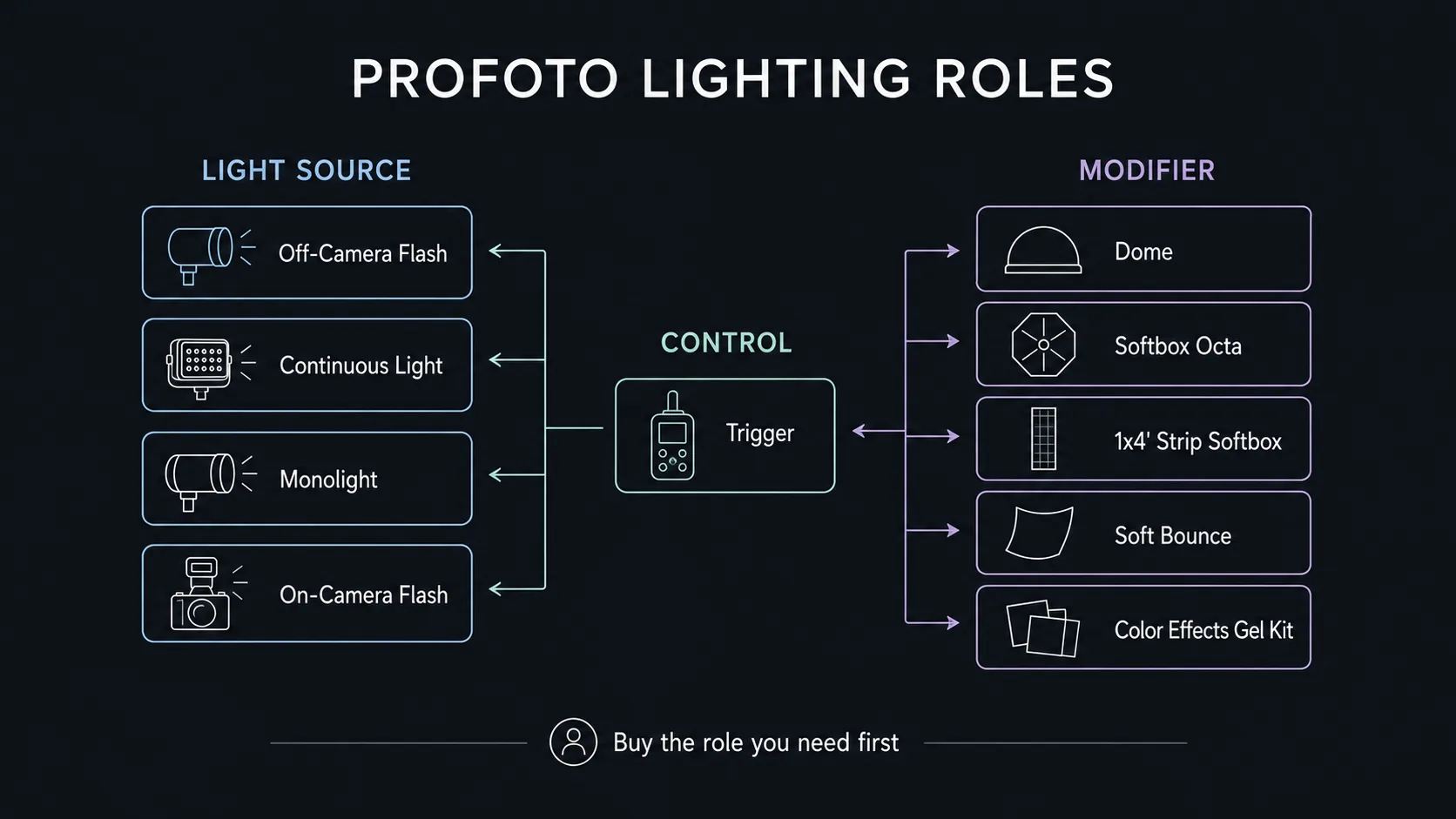
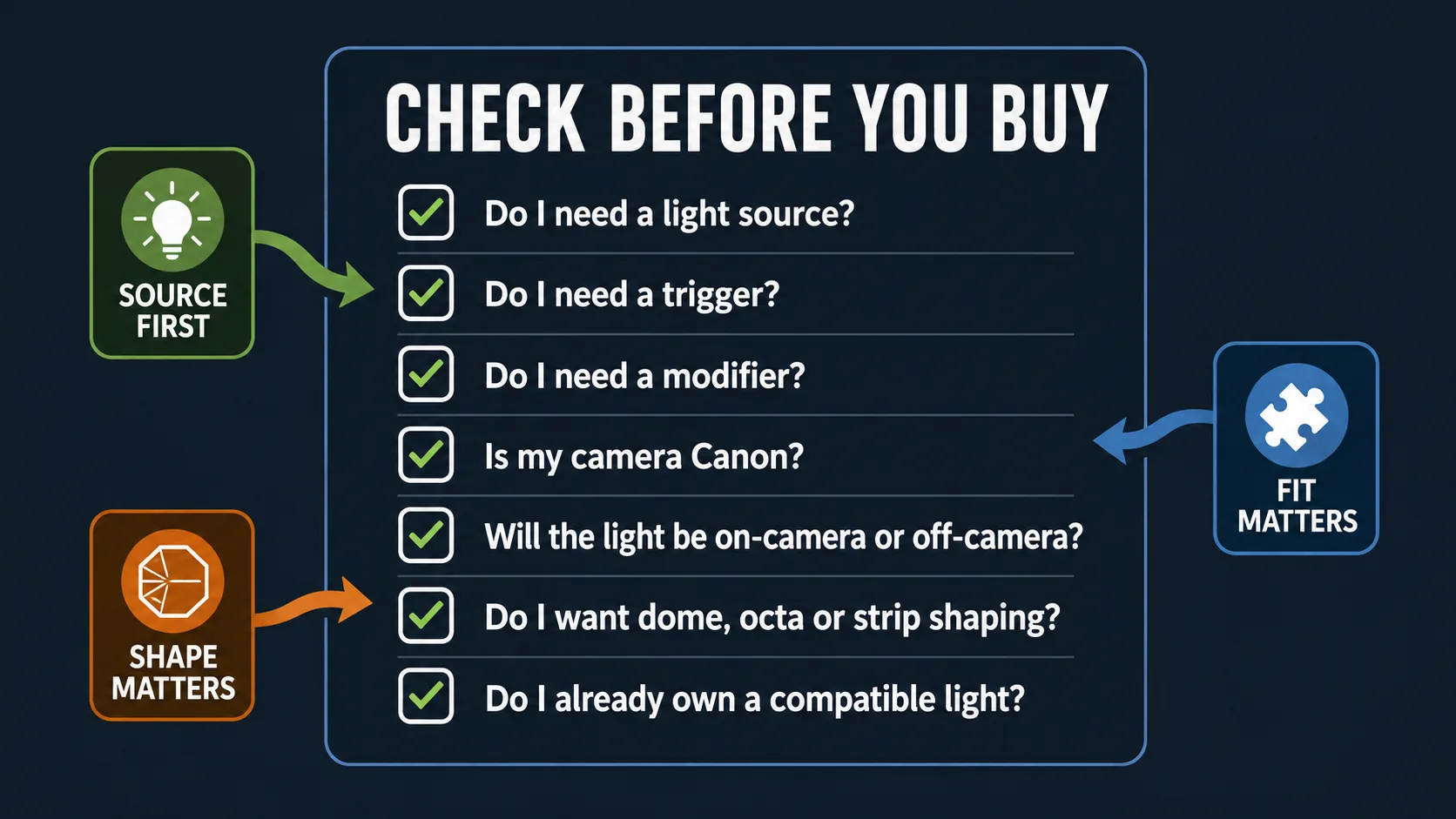
Light role. Start by deciding whether you need a light source, a controller or a modifier. In this list, flash heads create light, Connect Pro controls it, and domes, softboxes, bounce tools and gels only shape it.
Camera fit. Canon appears in two titles, so compatibility is not universal across the whole line-up. If your camera mount is not Canon, rule out those two first and compare only the system-neutral lighting tools.
Placement style. On-camera and off-camera use lead to very different results. Pick on-camera for speed and mobility, or off-camera for shadow control, stand placement and more deliberate shaping with modifiers.
Shape goal. Modifier names tell you the likely beam character. Dome suggests simple softening, octa suggests broad soft light, and a 1×4′ strip with mask suggests narrower, more directed shaping.
System stage. First-time buyers usually need a light before they need a gel kit or bounce tool. If you already own a compatible flash, accessories may deliver the bigger improvement per added item.
Transport limits. Small click-on accessories and triggers suit tight bags and fast jobs. Larger shaping tools suit planned setups better, where a few extra parts and more setup time are acceptable.
Worth reading before you commit: Profoto Connect Pro, Profoto light shaping tools.
Easy ways to overpay
A common slip. Buying a modifier first without checking that you already own the compatible light. A dome, octa, bounce tool or gel kit changes output, but none of them can create light on their own.
A common slip. Assuming every Profoto item fits every camera. Titles that include Canon are clear warnings that camera-specific fit matters, so do not treat those products as universal across all systems.
A common slip. Confusing on-camera convenience with off-camera control. A camera-top flash is fast, but it cannot replace the freedom of moving a light away from the lens axis when shape matters.
A common slip. Choosing a softbox shape by deal size alone. A strip and an octa serve different looks, so the better buy is the one that matches your intended beam, not the louder badge.
A common slip. Treating a trigger as if it were a flash. A controller can improve workflow with existing lights, yet it adds no illumination if you do not already own compatible light sources.
A common slip. Ignoring how specialised some accessories are. An A1 Soft Bounce or colour gel kit can be excellent within the right setup, but each is narrower than a main flash or monolight.
How we choose
We do not physically test these products, and we say so rather than implying otherwise.
We start from what is actually listed and in stock on Amazon in this category, and remove anything out of stock or without a live price. For this page that left 9 products.
We then read each manufacturer specification and separate the standardised figures from the marketing ones. Where a figure is the manufacturer’s own claim, we say so.
Where two products look similar on paper, we say so instead of manufacturing a difference. A page that pretends every product has a clear winner is not much use.
We also drop products that are listed but unavailable. A recommendation you cannot act on wastes your time, and stock in this category turns over quickly through November.
Nothing on this page is an independent measurement, and we do not present it as one. Where a number comes from the manufacturer, we attribute it to the manufacturer.
How to read a Profoto listing before you buy
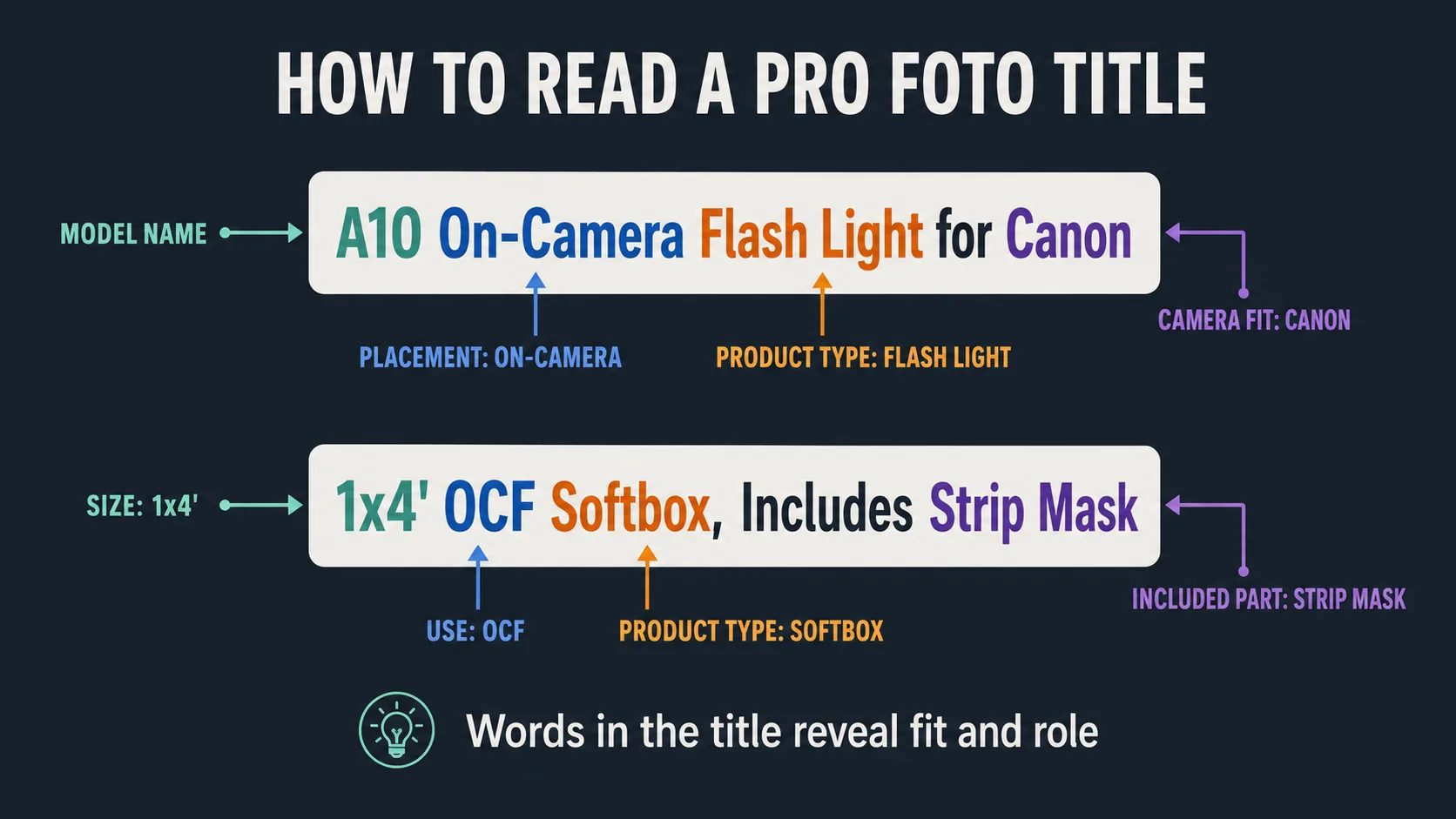
Read the first noun in the title first. Flash, monolight and softbox tell you the product class straight away, which helps you avoid mixing up light sources, control tools and accessories during a fast sale check.
Then read the placement cue. Off-camera means the light is meant to be placed away from the camera, while on-camera means camera-top use. That one phrase changes how the item will fit your workflow.
Watch for camera-brand tags such as Canon. When a brand appears in the title, treat it as a hard compatibility filter rather than a minor detail, especially with triggers and on-camera flash products.
Modifier shape words matter more than many buyers expect. Dome, octa and strip describe likely light character, so they should drive your choice more than a generic idea of wanting something softer.
Included accessory notes can matter. In this list, the strip softbox states that a strip mask is included, which signals a more complete shaping package than a title that names only the base modifier.
Finally, note whether the title sounds like a core tool or an add-on. A gel kit or soft bounce can be useful, but those items usually make the most sense after your main light path is already sorted.
Our verdict
The top pick is the Profoto B10X Plus Off-Camera Flash and Continuous Light. Its title points to the widest job range here, covering off-camera flash work and continuous light use in one main system piece.
Choose the Profoto A2 Monolight if you want a cleaner off-camera start. It suits buyers who need a dedicated stand-mounted light without stepping into a broader hybrid brief or a camera-top workflow.
Pick the Profoto A10 On-Camera Flash Light for Canon if speed matters more than stand placement. It suits Canon users covering events, press or quick portraits where the light must stay with the camera.
The Profoto Clic Dome and Profoto A1 Soft Bounce suit buyers who already own a compatible flash and want gentler output. They are practical shaping upgrades, not first purchases for a new lighting kit.
Choose the Profoto 1×4′ OCF Softbox with Strip Mask for narrow, directed softness, or the Profoto Clic Softbox Octa for a broader soft look. The best one depends on strip precision versus octa spread.
The Profoto Connect Pro for Canon suits Canon users with off-camera lights who need control, while the Profoto Clic Color Effects Gel Kit suits creative buyers who want colour variation once the core system is in place.
Worth reading before you commit: Profoto camera flashes.
Common questions
Which Profoto item is the best overall buy here?
The Profoto B10X Plus is the strongest all-round pick because the title states both off-camera flash and continuous light, giving it the broadest role in this list.
Is the Profoto A10 only for Canon users?
This specific listing is for Canon. The title states Canon, so buyers should treat that as a compatibility requirement, not a minor note.
What does monolight mean on the Profoto A2?
Monolight indicates a self-contained off-camera light unit. In practical terms, it is a main light source rather than a trigger or a modifier.
Should I buy a trigger or a flash first?
Buy a flash first if you do not already own a compatible light. A trigger improves control of existing lights, but it cannot create light by itself.
What is the difference between the Clic Dome and Clic Softbox Octa?
The Dome is a compact softening accessory, while the Softbox Octa is a larger shaped modifier aimed at broader soft light. They change light in different ways.
Is the 1×4′ OCF Softbox good for portraits?
Yes, if you want long, narrow soft light. The title and included strip mask suggest a more directed look than a rounder octa style modifier.
Can the Clic Color Effects Gel Kit replace a softbox?
No. A gel kit changes colour, while a softbox changes softness and spread. They serve different roles and one does not replace the other.
Who should choose the A1 Soft Bounce?
It suits buyers who already use a matching A1 flash and want a softer result from a compact add-on rather than a larger modifier.
Are Profoto accessories a good Black Friday buy?
They can be, especially if you already own the matching light. Accessories often make more sense than a full light swap when you only need a change in shape or colour.
How do I know if a Profoto deal is right for my setup?
Match the title to your need first: light source, controller or modifier. Then check camera fit, placement style and shape goal before you judge the live sale price.
More camera and optics deals this Black Friday
Comparing options before the sale? These guides cover the same Black Friday and Cyber Monday window:
- Camera Black Friday guide: what actually gets discounted
- Flir Black Friday deals
- Binoculars On Black Friday deals
- High Point Scientific Black Friday deals
- Fuji Instax Black Friday deals
- Sony A6100 Black Friday deals
- Where Are The Black Friday Ads?
- When Does Cyber Monday End?
Black Friday Deals Store is a participant in the Amazon Services LLC Associates Program. We earn a commission from qualifying purchases made through links on this page, at no additional cost to you.
Prices and availability are shown by Amazon at the time you click, and change frequently. Earning a commission does not change which products we cover or what we say about them.

