
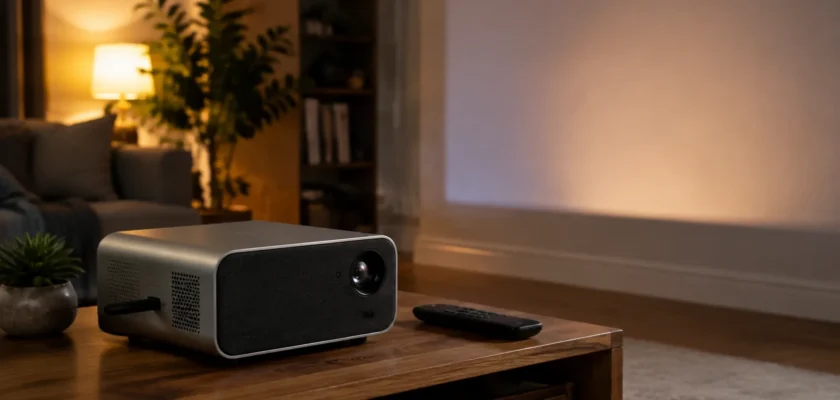
Straight answer: When evaluating projectors during Black Friday, prioritize native resolution and brightness levels over marketing claims.
Ensure the device supports your intended input sources, such as HDMI or wireless casting.
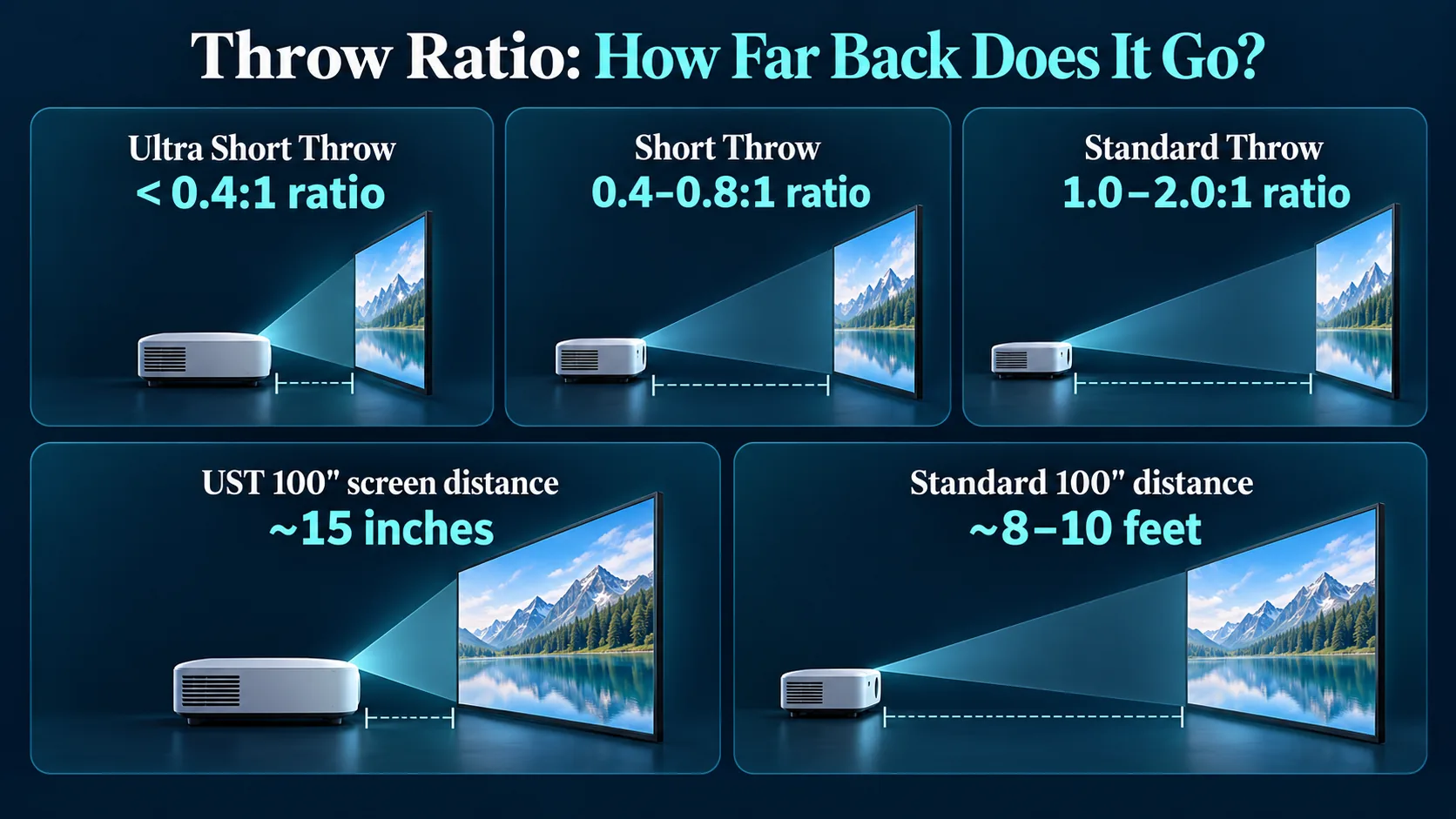
Check the manufacturer’s throw distance specifications to confirm the unit fits your room size before purchasing.
Searching for projectors black friday deals requires focus on technical specifications rather than promotional marketing slogans. Understanding your specific environment is critical for choosing the right home theater device.
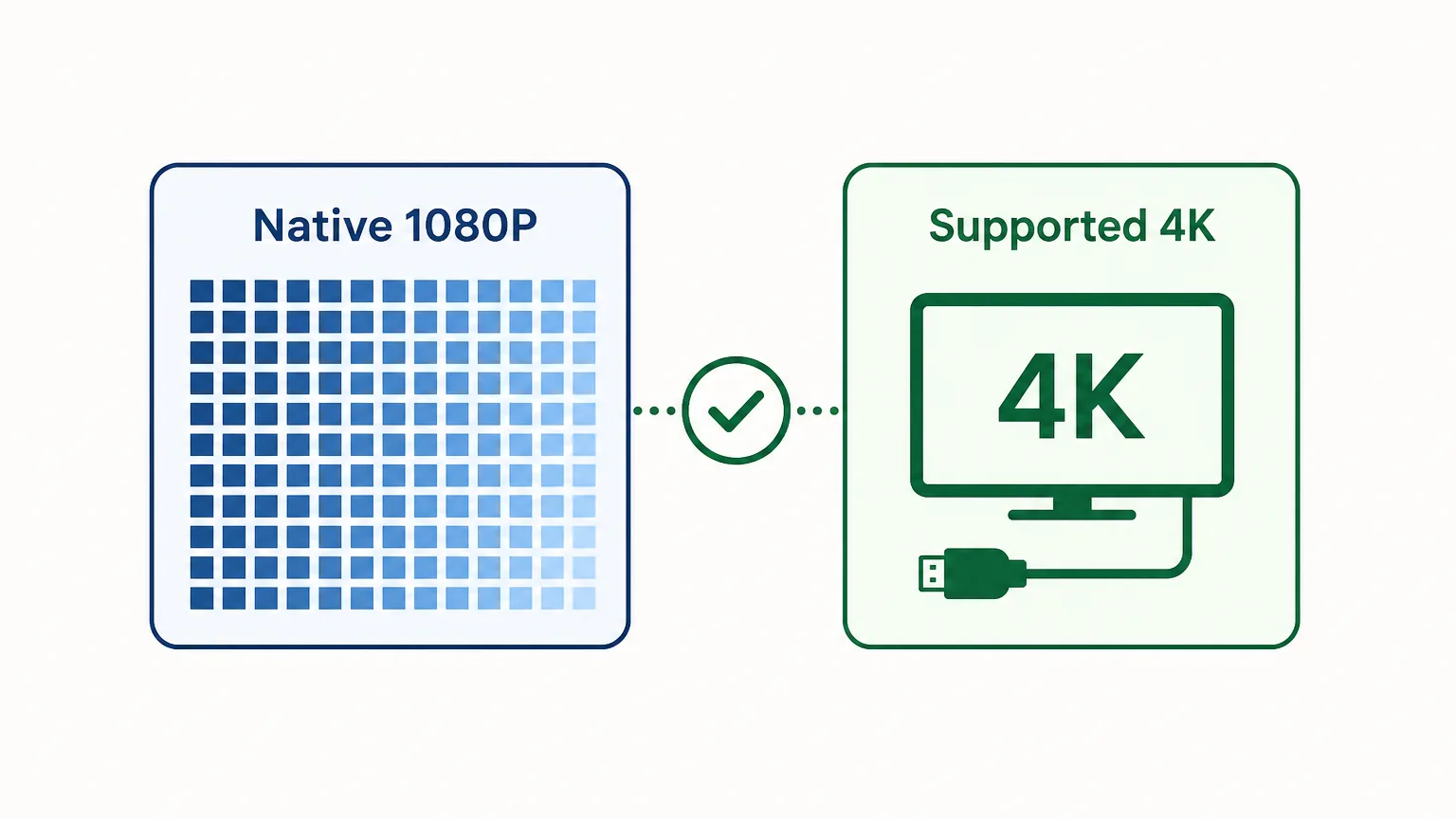
Many retail portals offer various portable and stationary units during seasonal promotions. Distinguishing between native and supported resolutions is a primary step for any consumer planning a display equipment upgrade this season.
This guide organizes available units by their stated capabilities and primary use cases. By examining these details, buyers can align their requirements with the hardware configurations provided by each individual manufacturer listing.

![[Auto Focus] Projector with WiFi 6 and Bluetooth 5.2, 500 ANSI Projector 4K, WiMiUS P62 Native 1080P Outdoor Movie Projector, Auto 6D Keystone & 50% Zoom, Smart Home Projector for Phone/PC/TV Stick](https://m.media-amazon.com/images/I/51LYhHH1gmL._SL160_.jpg "Best Projectors Black Friday/Cyber Monday 10")
Quick comparison chart
| Model | Works best for | Worth noting |
|---|---|---|
| AuKing Projector, 2023 Upgraded Mini Projector, 9500 lumens Multimedia | Casual viewing | 9500 lumens multimedia home theater |
| [Auto Focus] Projector with WiFi 6 and Bluetooth 5.2, 500 ANSI Project | Smart home integration | WiFi 6 and Bluetooth 5.2 |
| BenQ TH575 1080p DLP Gaming Projector, 3800 Lumen, 16.7ms Low Latency, | Fast-paced gaming | 16.7ms low latency |
| YABER K1 Projector 650 ANSI Ultra Bright, Home Theater Movie Projector | Bright rooms | 650 ANSI ultra bright |
There is deliberately no rating column on this page. We do not test these products ourselves, and Amazon does not supply customer ratings to this site, so any score here would be invented.
What each one offers
1. AuKing Projector, 2023 Upgraded Mini Projector, 9500 lumens Multimedia Home Thea — for budget home cinema

The AuKing unit is positioned as a mini multimedia solution, prioritizing basic compatibility with external devices and portable functionality for casual indoor or outdoor media projection needs.
Build and materials
Constructed with a compact chassis, the device aims for portability in small spaces. The exterior casing integrates multiple cooling vents to manage thermal output during extended usage periods for reliable operation according to the unit manual.
The internal layout supports standard connectivity ports including HDMI and USB interfaces.
Its hardware footprint is small, allowing users to place it on tabletops or mount it on standard camera tripods without requiring extensive installation hardware or tools.
The optical assembly is designed for multimedia video projection. The lens construction allows for manual focus adjustments to clarify the image on a wall or screen.
The material selection focuses on providing a lightweight profile for frequent transit between rooms.
Where it shines
The device offers 9500 lumens, which the manufacturer lists as its peak output.
This brightness specification assists in rendering images in controlled lighting environments, making it suitable for standard home video playback needs and general multimedia content.
Compatibility with 1080P sources allows the device to process full HD input signals.
This flexibility ensures it functions with various hardware like TV boxes and laptops, extending its utility across multiple entertainment platforms through standard wired connections.
Versatile input options such as VGA and AV ports support older hardware in addition to modern digital equipment.
This broad compatibility allows users to connect various legacy media devices alongside current streaming sticks for diverse content access and viewing options.
What you get for the money
As an entry-level projector, the unit delivers fundamental playback capabilities without advanced automated features.
Its value lies in providing an accessible entry point for home video projection, relying on manual configuration to achieve the desired image quality for media.
The package design emphasizes core projection functionality.
By excluding premium features like automated keystone or advanced wireless networking, the manufacturer provides a straightforward tool that serves basic entertainment requirements effectively for users seeking simplicity over sophisticated display technologies.
Who it suits
It is suited for casual viewers who require a simple device for occasional movie nights.
Users seeking a portable machine for non-professional settings will find the physical design matches their need for a lightweight, easy-to-move projection solution for standard rooms.
The product is less suitable for users demanding high-end color accuracy or gaming performance.
Those who prioritize automatic image correction or integrated smart operating systems may find the manual nature of this projector requires more effort to set up.
Ideal for users working with limited space who do not need advanced installation.
Its small stature fits well on small stands or shelves, providing an uncomplicated way to project content without the need for a dedicated permanent ceiling mount or display wall.
| In its favour | Against it |
|---|---|
|
|
2. [Auto Focus] Projector with WiFi 6 and Bluetooth 5.2, 500 ANSI Projector 4K, WiM — for modern smart setups
![[Auto Focus] Projector with WiFi 6 and Bluetooth 5.2, 500 ANSI Projector 4K, WiMiUS P62 Native 1080P Outdoor M](https://m.media-amazon.com/images/I/51LYhHH1gmL._SL1000_.jpg "Best Projectors Black Friday/Cyber Monday 14")
The WiMiUS P62 features an integrated smart architecture with high-speed connectivity, targeting users who want an automated projection experience that integrates seamlessly with current wireless home network devices.
Build and materials
This unit features a robust exterior designed to house sophisticated autofocus motors and wireless radio hardware.
The architecture includes a sealed optical light engine aimed at reducing internal dust accumulation, which supports long-term image clarity and cooling efficiency.
The chassis incorporates various ventilation slots and thermal management materials to maintain internal temperatures during operation.
The sleek aesthetic integrates with contemporary living environments, and the physical build accommodates versatile mounting points for ceiling or stand usage.
Precision in the optical housing supports the auto focus mechanism. The build materials are selected to minimize noise during operation while protecting the internal components from heat.
It balances durability with a modern, compact footprint for consistent room deployment.
Where it shines
The inclusion of WiFi 6 and Bluetooth 5.2 facilitates rapid data transfer for wireless casting.
These networking standards allow for stable connections to mobile devices and computers, streamlining the process of projecting media without reliance on physical cabling.
Auto 6D keystone correction and automated focus work together to maintain a rectangular image.
This automation simplifies the setup process significantly for the user, ensuring the projection remains sharp and properly aligned even if the device is positioned off-axis.
The 500 ANSI lumen brightness rating provides a defined visual output.
Combined with a 50% zoom capability, the projector offers flexibility in image sizing, allowing the user to adjust the picture size to fit specific screens without moving the physical hardware.
What you get for the money
This projector provides significant value through its automation and wireless feature suite.
By reducing manual setup time, it targets users who desire an efficient, user-friendly home theater experience that utilizes modern connectivity standards for effortless content streaming and media sharing.
The investment in a sealed engine and high-spec networking justifies the positioning of this product within the home entertainment market.
It offers a comprehensive solution for users seeking to avoid complex cabling setups while maintaining a high standard of image alignment.
Who it suits
Suited for tech-focused individuals who prioritize wireless streaming and automated setup features.
Those living in smart home ecosystems will appreciate the integration capabilities, making it ideal for bedrooms or media rooms where ease of use is paramount.
Less ideal for users requiring extreme high-contrast professional color grading for studio work.
The focus here is on consumer-grade media enjoyment rather than professional-grade color critical applications, which may limit its appeal to specific creative users.
Excellent for renters who need a portable device that can adapt quickly to different room geometries.
The auto-alignment features ensure the unit is ready to use in new spaces without prolonged calibration, providing convenience for a dynamic lifestyle.
| In its favour | Against it |
|---|---|
|
|
3. BenQ TH575 1080p DLP Gaming Projector, 3800 Lumen, 16.7ms Low Latency, Enhanced — for gaming performance

The BenQ TH575 is engineered specifically for enthusiasts who prioritize response times and gaming fluidity, utilizing DLP technology to maintain high contrast and minimize latency during high-speed entertainment sessions.
Build and materials
The device utilizes a durable DLP (Digital Light Processing) architecture designed for long-term reliability.
The robust internal components are optimized for high-brightness output, ensuring that the light path remains stable even during hours of continuous operation in gaming sessions.
The exterior design prioritizes functional airflow to support the bright lamp technology.
The housing is built to include dual HDMI ports for multiple game console connections, ensuring a permanent station setup is possible within a dedicated gaming room environment.
Constructed with a focus on stability, the unit features a high-quality lens assembly with a 1.1x zoom ratio.
The build emphasizes thermal management to protect sensitive internal components, reflecting the manufacturer’s commitment to delivering a consistent performance during gameplay.
Where it shines
A low latency of 16.7ms is a critical specification that ensures rapid visual feedback for competitive gaming. This reduced delay between input and projection is designed to provide an responsive feel when playing fast-action console or PC titles.
The 3800 lumen brightness rating allows for high visibility in varied lighting conditions, ensuring images remain punchy.
Enhanced game modes allow users to toggle specific settings that balance contrast and brightness, optimizing the visuals for deep blacks and clear details.
The 1080p native resolution ensures sharp graphics for modern high-definition gaming systems.
Rec.709 color accuracy support brings a standard level of color fidelity, which is essential for rendering game environments as the developers intended them to be visually experienced.
What you get for the money
Value is found in the gaming-specific feature set, which is rare in general-purpose projectors.
By emphasizing low latency and high contrast over automated wireless smart features, the device serves a specific demographic that values performance over convenience or portable multimedia tools.
The inclusion of a 3-year warranty adds significant value, providing long-term peace of mind for the owner.
This manufacturer commitment underscores the build quality and expected reliability of the hardware for players who use the device for daily gaming sessions.
Who it suits
Perfect for dedicated gamers who need a large screen without the input lag found in standard office projectors. It is an ideal addition to a gaming den or a basement setup where performance is prioritized over smart streaming app integration.
Less suitable for users looking for a portable, smart, all-in-one device. Because this unit lacks built-in streaming operating systems, users will need to add an external streaming device, which may be a drawback for those seeking a minimalist setup.
Fits well into setups where high brightness is necessary, such as rooms with moderate ambient light.
Its performance in high-contrast scenarios makes it a robust choice for gaming, where identifying detail in dark or complex visual environments is essential.
| In its favour | Against it |
|---|---|
|
|
4. YABER K1 Projector 650 ANSI Ultra Bright, Home Theater Movie Projector with WiFi — for cinema-grade brightness

The YABER K1 is designed to balance high-brightness output with a fully sealed internal engine, aiming to provide a high-quality, long-lasting cinematic experience for users demanding deep immersion in home viewing.
Build and materials
The architecture centers on a full-sealed engine, which is a major design highlight to prevent dust from entering the light path.
This engineering choice is intended to minimize degradation of the projected image quality over many years of frequent residential use.
Constructed with a premium aesthetic, the chassis is designed to handle high-brightness output while managing thermal dissipation effectively.
The layout provides multiple connectivity options including HDMI and USB, ensuring the device fits into modern home entertainment racks.
The optical light engine is protected within the housing to ensure longevity and maintenance-free operation.
The build quality reflects the focus on durability, with a solid weight and secure mounting points suitable for permanent installation in dedicated media theaters.
Where it shines
Providing 650 ANSI lumens, the output is calibrated for clarity and brightness.
This rating allows for an immersive viewing experience, especially when combined with native 1080P resolution and 4K support, providing compatibility with high-resolution media sources.
WiFi 6 and Bluetooth connectivity offer seamless wireless casting options, allowing the device to act as a hub for various media.
This integration makes it simple to stream content directly from mobile devices or PCs without extra clutter or wired connections.
The auto screen technology simplifies the process of achieving a perfectly framed image.
This feature automatically adjusts the display to fit the screen surface, ensuring the projection is precise and aligned without requiring repetitive manual adjustments from the user.
What you get for the money
The K1 offers value through its focus on image longevity and brightness.
By incorporating a sealed engine, the manufacturer reduces the need for frequent maintenance, which is a key consideration for buyers viewing this as a long-term home cinema installation solution.
It provides a balance of modern connectivity and strong optical performance.
Users seeking a high-quality visual experience will find value in the combination of 4K signal support and the robust engineering that promises consistent performance over the life of the machine.
Who it suits
Suited for home cinema enthusiasts who want a permanent or semi-permanent setup for watching movies.
Its brightness and sealed design make it an excellent choice for a dedicated media room where high-quality projection is the primary entertainment goal.
Less ideal for casual users who only need a cheap, lightweight projector for occasional travel.
Because of its robust build and performance features, it is a heavier and more premium option that might be overkill for simple, infrequent light-duty tasks.
Excellent for those who are concerned about image longevity and dust interference.
The full-sealed engine design directly addresses these common projector issues, making it a reliable choice for long-term ownership in environments where dust might otherwise accumulate.
| In its favour | Against it |
|---|---|
|
|
Understanding Promotional Pricing Patterns
Projector pricing often fluctuates based on inventory cycles managed by the manufacturer. Discounts are applied to move older stock, though new listings may retain stable pricing.
Monitoring price history helps gauge if current offers represent genuine shifts.
Retailers often coordinate with brands to set promotional caps for major sale events. A lower displayed price reflects these temporary agreements.
Once the promotional window closes, listings typically return to the manufacturer suggested retail price point.
The presence of different model variants across various platforms means price comparison requires matching specific model names.
Manufacturers update the list price periodically, and these adjustments serve as the baseline for calculating the sale impact.
Purchasing during these events relies on immediate availability. If a listing reports low stock, the discount might disappear regardless of the sale schedule.
Always verify the manufacturer technical data before committing to a purchase based on pricing alone.
Black Friday falls on Friday, November 27, 2026 and Cyber Monday on Monday, November 30, 2026. Prices in most categories start moving in early November rather than only on the day itself.
Worth reading before you commit: BenQ Projector Specifications, AuKing Product Information.
Factors for Selecting Your Projector
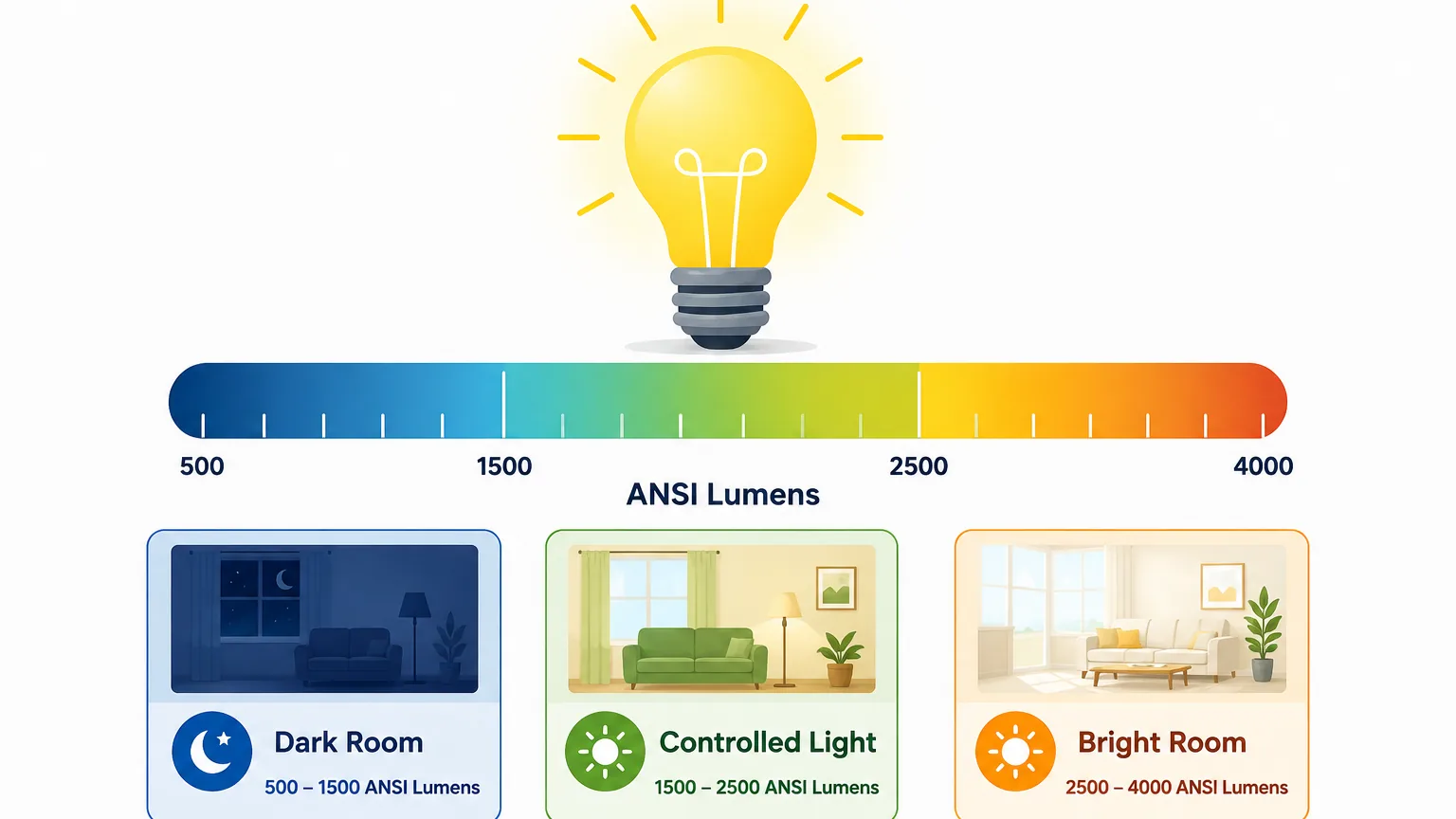
Brightness. Lumens or ANSI lumens indicate how the light output performs against ambient room light. High-lumen projectors are better for bright spaces, while lower levels are fine for dedicated, darkened theaters.
Resolution. Native 1080P is generally the baseline for clear video projection. While some models state 4K support, verify the native resolution if you want the highest possible clarity for games and high-definition movie content.
Input Lag. If you intend to play games, look for low latency specifications. This prevents the delay between your controller input and the action on screen, which is essential for fast-paced titles and high-performance console gaming.
Throw Distance. This defines how far the projector must sit from the wall or screen to create a specific image size. Always check your room dimensions against the manufacturer’s throw ratio chart before committing to any purchase.
Connectivity. Ensure the projector includes the ports you require, such as HDMI for consoles or USB for media sticks. Integrated wireless capabilities like WiFi and Bluetooth are also useful for casting media from your phone.
Maintenance. Look for features like a sealed light engine, which protects internal optics from dust. This helps maintain image quality over the long term and reduces the need for manual cleaning or internal service repairs.
Easy to get wrong. Assuming that supported 4K means native 4K. Many projectors accept a 4K signal but project at 1080P, so always check the native resolution to understand the actual visual clarity you are purchasing for your home.
Easy to get wrong. Ignoring the throw distance requirements for your room. If you buy a unit that needs a very long throw for a large screen, it might not fit in a smaller bedroom, leading to a frustrating and unusable setup.
Easy to get wrong. Focusing solely on brightness while ignoring contrast. A very bright projector with poor contrast will result in washed-out images, especially in dark scenes, which degrades the overall quality of movies and game visuals.
Easy to get wrong. Overlooking the need for an external sound system. Most projectors have basic internal speakers, so plan for a separate soundbar or surround system if you want audio that matches a large-scale cinematic visual experience.
Easy to get wrong. Buying a portable unit for a permanent ceiling mount. Some compact models lack the physical adjustments needed for ceiling installation, potentially making them difficult or impossible to mount securely in a home theater.
Easy to get wrong. Not checking if the projector supports your specific streaming stick. Always verify the HDMI and power output options if you intend to use a specific streaming device to ensure the setup remains tidy and functional.
Worth reading before you commit: YABER Product Support, ANSI Lumens Standards.
How we choose
We do not physically test these products, and we say so rather than implying otherwise.
We start from what is actually listed and in stock on Amazon in this category, and remove anything out of stock or without a live price. For this page that left 4 products.
We then read each manufacturer specification and separate the standardised figures from the marketing ones. Where a figure is the manufacturer’s own claim, we say so.
Where two products look similar on paper, we say so instead of manufacturing a difference. A page that pretends every product has a clear winner is not much use.
We also drop products that are listed but unavailable. A recommendation you cannot act on wastes your time, and stock in this category turns over quickly through November.
Nothing on this page is an independent measurement, and we do not present it as one. Where a number comes from the manufacturer, we attribute it to the manufacturer.
The bottom line
For the most balanced performance and modern features, the WiMiUS P62 is our top pick. Its combination of auto-focus and high-speed wireless connectivity makes it a versatile solution for most home users seeking an easy, high-quality setup.
Gamers who demand the lowest latency should choose the BenQ TH575. Its specialized focus on response times and high contrast creates a superior experience for fast-action titles, even without the smart OS features found in other models.
If your primary goal is a long-lasting home theater installation, the YABER K1 is the best choice. The sealed engine technology is a major advantage for durability, reducing the risk of internal dust and ensuring clear images over time.
For those on a strict budget, the AuKing projector serves as a simple entry point. It is best suited for basic, casual multimedia projection in small, dark spaces where extreme image precision and automated features are not strictly necessary.
Choose the WiMiUS P62 if you want to integrate your projector into a modern smart home ecosystem.
Its wireless capabilities and auto-correction tools are specifically designed to reduce the friction of daily use for tech-focused homeowners and renters.
The BenQ TH575 remains the primary choice for users prioritizing display technology quality.
Its performance-first approach ensures that gaming and cinema enthusiasts receive a robust visual experience, provided they add their own streaming media player for modern content.
Worth reading before you commit: WiMiUS Support Portal.
Common questions
How does native resolution differ from supported resolution?
Native resolution is the physical number of pixels on the projector’s imaging chip. Supported resolution means the device can receive that signal type, but it will scale it down to its native pixel count during playback.
Can I use a projector during the day?
Projectors require high brightness to compete with sunlight. While some models handle moderate ambient light well, you generally need a dark, controlled environment to achieve the best color accuracy and contrast for your movie or game content.
What is the importance of a sealed engine?
A sealed engine prevents dust and debris from entering the internal optical path. This is vital because dust particles on internal lenses create permanent spots on the projected image that are often difficult to remove or clean by the user.
Does every projector work for gaming?
While most projectors can display a game signal, high-performance gaming requires low input lag. Always verify the manufacturer’s latency specification, ideally aiming for under 20ms to ensure the action on screen matches your controller inputs.
How do I calculate the best screen size?
The best screen size depends on your viewing distance and the projector’s throw ratio. Use the manufacturer’s distance calculator to see how large an image the projector can create at your specific distance from the wall or screen.
Are wireless features always better?
Wireless casting provides convenience, but wired HDMI connections typically offer more stability and lower lag. Use wireless for casual streaming and a direct wired connection for gaming or high-bitrate media to ensure the best performance levels.
What is ANSI lumen rating?
ANSI lumens represent a standardized measurement of brightness set by the American National Standards Institute. It provides a more reliable metric for comparing projector light output between different brands than generic lumen claims.
Do I need a special screen for my projector?
While you can project onto a flat wall, a dedicated screen uses reflective materials to improve contrast, color, and brightness. If you find your image looks washed out, a specialized screen is often the most effective upgrade available.
How long do projector lamps usually last?
Lamp life varies widely by technology. Traditional bulbs may last a few thousand hours, while modern LED and laser light sources often provide 20,000 to 30,000 hours of operation before significant brightness reduction occurs.
More gaming and tech deals this Black Friday
Comparing options before the sale? These guides cover the same Black Friday and Cyber Monday window:
- Gaming and tech Black Friday guide
- Yoshi’s Crafted World Black Friday deals
- Steam Gift Card Black Friday deals
- Gunpla Black Friday deals
- Arcade Games Black Friday deals
- Acer Swift 3 Black Friday deals
- Where to Find the Best Black Friday Deals
- Where Are The Black Friday Ads?
Black Friday Deals Store is a participant in the Amazon Services LLC Associates Program. We earn a commission from qualifying purchases made through links on this page, at no additional cost to you.
Prices and availability are shown by Amazon at the time you click, and change frequently. Earning a commission does not change which products we cover or what we say about them.

